Medical review: Based on peer-reviewed research and guidelines. Clinical review by a Dalian Speciality Dental Clinic dentist is pending. This page is general information, not a diagnosis. Please see a dentist about your own teeth.
What is root canal treatment?
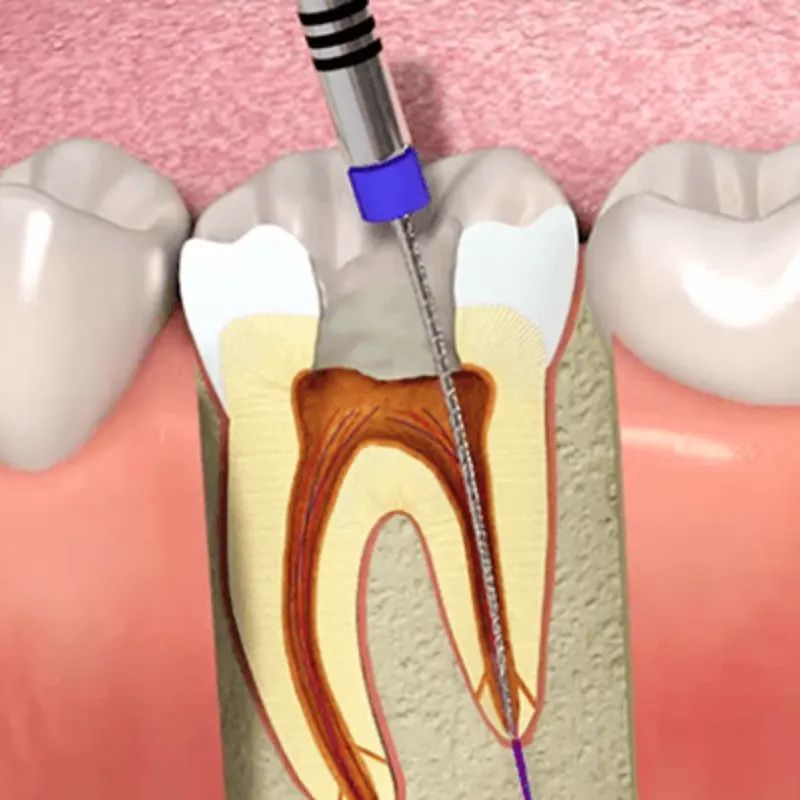
At the centre of each tooth is the pulp, soft tissue with nerves and blood vessels. If the pulp becomes infected or badly damaged, for example by deep decay, a crack or an injury, it can cause pain and an infection around the root. Root canal treatment cleans the inside of the tooth, disinfects it and seals it so the tooth can stay in your mouth. It is carried out under local anaesthetic.
Signs you may need one
- Toothache that is severe, lingers or wakes you at night.
- Lingering sensitivity to hot or cold.
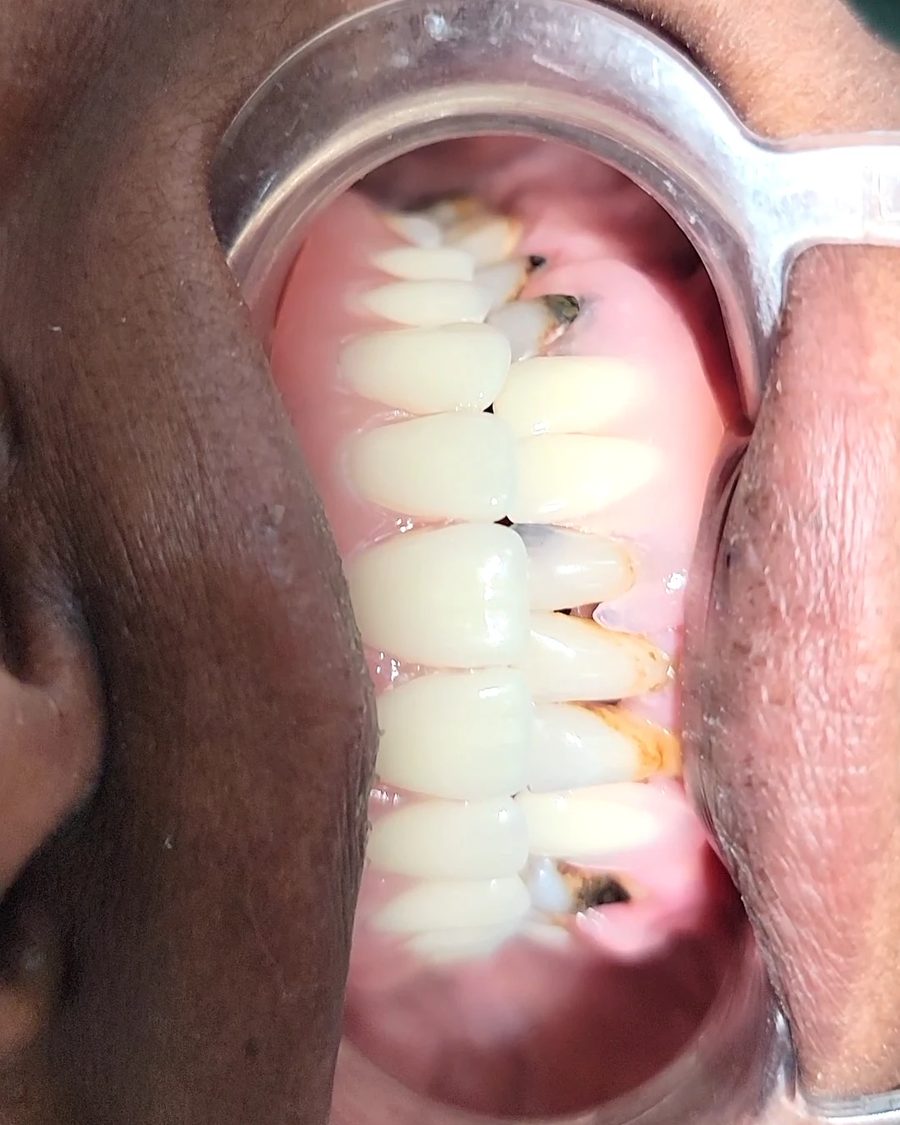
- Swelling or a pimple-like bump on the gum, or a tooth that darkens.
Only an examination and an X-ray can confirm the cause.
How well does it work?
Systematic reviews of the research give a useful picture, but the figures depend on how success is defined.
- An updated 2022 review of 42 studies published between 2003 and 2020 found pooled success of about 92.6% when success was defined loosely, and about 82.0% under strict criteria. The authors concluded that reported success has improved over time, but most of the studies were of low quality.
- Earlier reviews found that outcomes were better when there was no infection around the root before treatment, when the root filling was complete and well placed, and when the tooth was properly restored afterwards.
- Treatment of a tooth that has been root-treated before (retreatment) had a lower pooled success of roughly 77% in an earlier review.
Alternatives
The main alternative is removing the tooth, which may then need to be replaced with an implant, bridge or denture.
After treatment
A root-treated tooth usually needs a good filling or crown to protect it. Keep brushing and cleaning between your teeth, and attend your check-ups.
When to see a dentist
Do not wait if you have severe pain, swelling of the face or gum, or a fever. These can be signs of spreading infection.
Frequently asked questions
Is a root canal painful?
The treatment is done under local anaesthetic, so it should not be painful during the procedure. Some soreness afterwards is common and can usually be managed, and your dentist will advise you.
Can a tooth be saved after a root canal?
Most teeth are, but results depend on the tooth, the infection and how well it is restored. Your dentist can explain your chances.
Do I need a crown afterwards?
Often yes, especially for back teeth, because a root-treated tooth can be weaker. Your dentist will recommend what your tooth needs.
Sources
- Burns LE, et al. Outcomes of primary root canal therapy: an updated systematic review of longitudinal clinical studies published between 2003 and 2020. International Endodontic Journal, 2022.
- Ng YL, Mann V, Gulabivala K. Outcome of primary root canal treatment: systematic review of the literature. Part 2: influence of clinical factors. International Endodontic Journal, 2008.
- Ng YL, Mann V, Gulabivala K. Outcome of secondary root canal treatment: a systematic review of the literature. International Endodontic Journal, 2008.
Information can change as new research is published. Last reviewed 6 November 2026.