Medical review: Based on peer-reviewed research and guidelines. Clinical review by a Dalian Speciality Dental Clinic dentist is pending. This page is general information, not a diagnosis. Please see a dentist about your own teeth.
What causes bleeding gums?
The main cause is plaque, a sticky film of bacteria that builds up on teeth when brushing and cleaning between the teeth is not thorough enough. Plaque can harden into tartar, which only a dental professional can remove. Bacteria in plaque and tartar inflame the gums, and inflamed gums bleed easily.
Symptoms to look for
- Gums that are red, swollen or tender and bleed easily.
- Persistent bad breath.
- In more advanced disease, gums that pull away from the teeth so teeth look longer, teeth that feel loose or sensitive, and discomfort when chewing.
Who is at higher risk?
Smoking or other tobacco use is the most significant risk factor and can also make treatment less successful. Other factors linked to gum disease include diabetes, older age, some medicines and conditions, and hormonal changes.
Treatment options
Treatment starts with removing plaque and tartar through a professional cleaning and improving daily cleaning at home. More advanced disease needs further treatment from your dentist, and the sooner it is caught the simpler treatment is.
Prevention
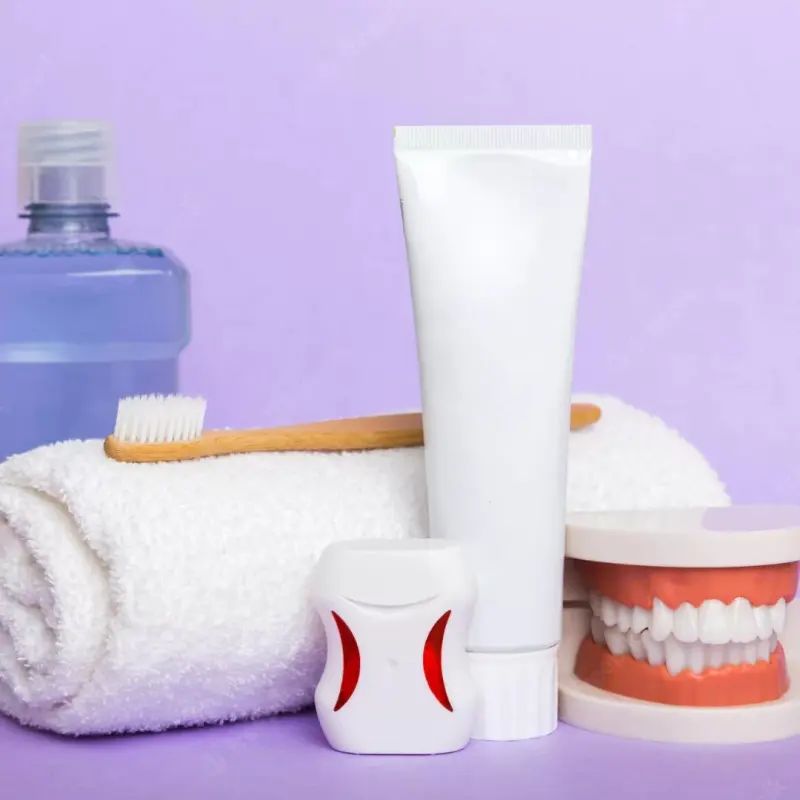
- Brush twice a day with fluoride toothpaste.
- Clean between your teeth every day with floss or interdental brushes. A Cochrane review found that adding these to brushing may reduce gum inflammation and plaque more than brushing alone, though the certainty of the evidence is low, and interdental brushes may work better than floss.
- Have regular dental check-ups and cleanings.
- Stop using tobacco.
When to see a dentist
See a dentist if bleeding continues for more than a week or two after you improve your cleaning, or if you notice loose teeth, receding gums, pus or constant bad breath.
Frequently asked questions
Is it normal for gums to bleed when I floss?
It is common, but it is not healthy. It usually means the gums are inflamed. If you keep cleaning gently and daily, it often settles. If it does not, see your dentist.
Can gum disease be reversed?
Early gum disease (gingivitis) usually improves with good daily cleaning and a professional cleaning. More advanced gum disease can be controlled with treatment, but damage to the supporting bone is not simply undone, so acting early matters.
Should I stop brushing if my gums bleed?
No. Keep brushing gently with a soft brush. Stopping lets more plaque build up and the gums get worse.
Sources
- National Institute of Dental and Craniofacial Research (NIDCR). Periodontal (gum) disease.
- World Health Organization. Oral health (fact sheet), 17 March 2025.
- Worthington H, et al. Home use of devices for cleaning between the teeth, added to toothbrushing. Cochrane review, 2019 (35 studies, 3,929 adults).
Information can change as new research is published. Last reviewed 6 November 2026.