Medical review: Based on peer-reviewed research and guidelines. Clinical review by a Dalian Speciality Dental Clinic dentist is pending. This page is general information, not a diagnosis. Please see a dentist about your own teeth.
What causes cavities?
Plaque, a bacterial film on the teeth, turns the free sugars in food and drink into acid. Over time the acid dissolves the tooth. The World Health Organization identifies frequent high intake of free sugars, low fluoride exposure and poor plaque removal as the main drivers.
Brush twice a day with fluoride toothpaste
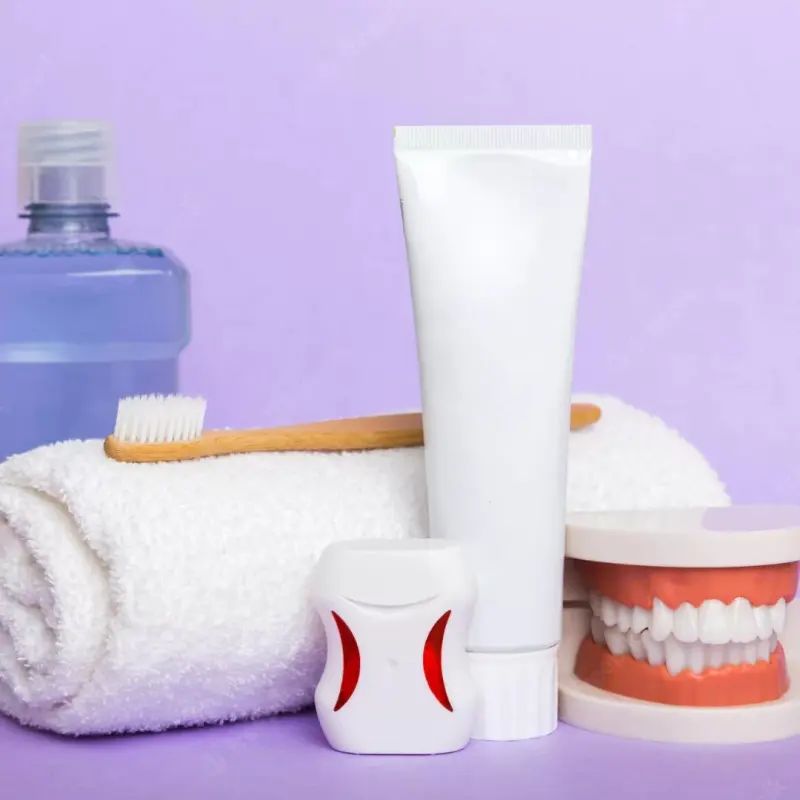
Fluoride is essential for preventing decay. The WHO recommends brushing twice a day with a fluoride toothpaste containing 1,000 to 1,500 ppm fluoride. Check the label of your toothpaste for its fluoride content.
Clean between your teeth every day
A toothbrush cannot reach between the teeth. Floss, interdental brushes, picks or a water flosser can all help. A Cochrane review of 35 studies with 3,929 adults found that adding floss or interdental brushes to brushing may reduce gum inflammation and plaque more than brushing alone. The authors noted considerable uncertainty and that interdental brushes may work better than floss. Choose what you will use every day.
Limit free sugars
Free sugars include sugar added to foods and drinks and the sugars in honey, syrups and fruit juice. The WHO recommends keeping free sugars below 10% of total energy intake, and ideally below 5% (roughly 25 grams, or six teaspoons, a day). Water should be your main drink. Fewer sugar "hits" through the day gives teeth time to recover.
See your dentist regularly
Check-ups find problems early and professional cleaning removes tartar that brushing cannot. How often you should go depends on your risk. See our article on dental check-ups.
Stop tobacco
Tobacco is a major risk factor for gum disease, and it affects healing.
When to see a dentist
See a dentist for tooth pain, bleeding gums, holes or dark spots on teeth, or any sore in the mouth that does not heal.
Frequently asked questions
Should I rinse with water after brushing?
Many dentists suggest spitting out the toothpaste rather than rinsing, so some fluoride stays on the teeth. Ask your dentist for advice that fits you.
Is flossing really necessary?
Cleaning between the teeth helps to reduce gum inflammation and plaque. The evidence is of low certainty, but dental authorities recommend it daily.
Are electric toothbrushes better?
The most important thing is thorough brushing twice a day with fluoride toothpaste. Ask your dentist which brush suits you.
Sources
- World Health Organization. Oral health (fact sheet), 17 March 2025.
- World Health Organization. Guideline: sugars intake for adults and children, 2015.
- Worthington H, et al. Home use of devices for cleaning between the teeth, added to toothbrushing. Cochrane review, 2019 (35 studies, 3,929 adults).
- National Institute of Dental and Craniofacial Research (NIDCR). Periodontal (gum) disease.
Information can change as new research is published. Last reviewed 6 November 2026.